
Trump's Russian diesel deal draws backlash from Zelenskyy and US lawmakers
The Treasury temporarily eased sanctions to allow Russian diesel into global markets, as critics warned the move could finance Moscow's war in Ukraine.
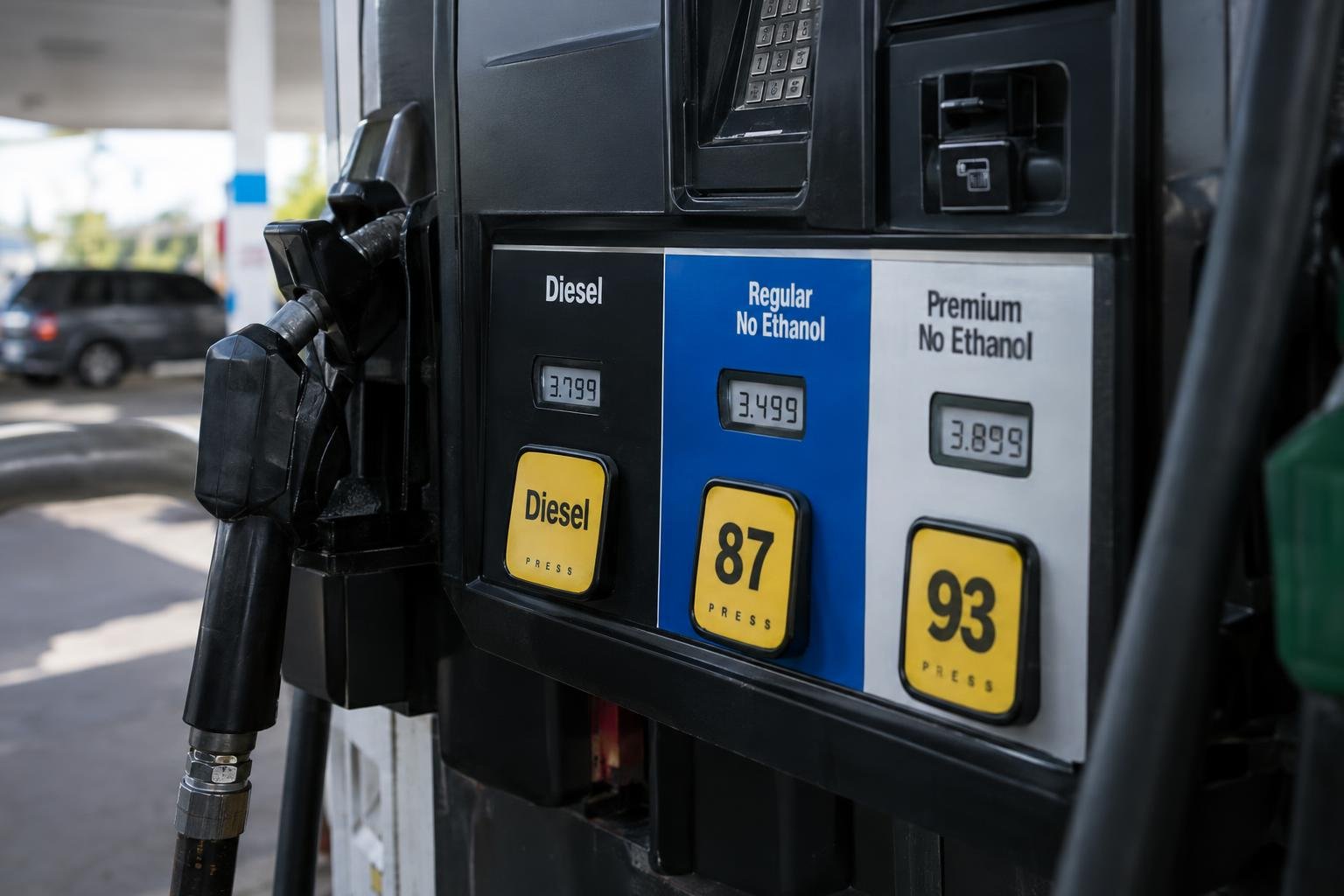
President Donald Trump has announced an agreement under which Russia would supply more than 300,000 tonnes of diesel immediately to US and global markets, followed by further shipments in the coming months, prompting condemnation from Ukrainian President Volodymyr Zelenskyy and criticism from lawmakers in both parties.
Trump said the agreement was reached during a Friday phone call with Russian President Vladimir Putin and would lower diesel prices for Americans, particularly farmers, ranchers and truckers. The US Treasury subsequently issued a temporary general license allowing Russian diesel to be supplied to the global market.
What Happened
In a Truth Social post, Trump said Russia would immediately release more than 300,000 tonnes of diesel, followed by 500,000 tonnes in November and 1 million tonnes afterward. He said Russia could then supply an additional 3 million tonnes within a short period, depending on the condition of its diesel refineries.
The Treasury's Office of Foreign Assets Control said it was issuing a temporary general license for Russian diesel shipments. CNBC and NPR reported the authorization runs through April 7, 2027, while BBC reports described the end date as April 7 without specifying a year. Other sanctions, including restrictions on Russian assets held in US banks, remain in place, according to the BBC.
Putin confirmed that Russia was willing to supply oil and petroleum products to the US and global markets. His statement did not specify the volumes Trump announced.
Why It Matters
The agreement represents a sharp change in US policy toward Russian energy. The United States banned imports of Russian oil and gas in 2022 after Russia's full-scale invasion of Ukraine. Weeks ago, Trump signed legislation authorizing additional sanctions and tariffs aimed at Russian oil and gas trade.
The move comes as high fuel prices have created political pressure ahead of the Nov. 3 midterm elections. AAA put the average US diesel price at about $6.28 a gallon, below the late September record of about $6.52 to $6.53 but well above earlier levels. Diesel costs are particularly consequential for agriculture, freight and construction because the fuel is widely used to operate machinery and transport goods.
Trump said lower prices were his "Greatest Priority" and predicted diesel prices would fall quickly. But analysts questioned whether the first shipment would make a material difference. The BBC reported that the initial volume amounts to roughly half a day's US diesel consumption, while the Guardian calculated it at about three-quarters of a day. Analysts also said cargoes would take time to reach the United States.
What Each Side Is Saying
Zelenskyy called the deal a gift to Putin and said allowing Russian petroleum sales was "an investment in a war that must be ended, not prolonged." He said Russia would repay the arrangement with "further terror and perfidy," arguing that the revenue would allow Moscow to continue its war.
He also said Ukrainian officials meeting US representatives in Miami on proposals to end the war were being used as a smokescreen for the diesel agreement. Trump later criticized Ukraine's attacks on Russian refineries and said Zelenskyy should stop them, adding that Ukraine should have a new leader able to make a deal.
Zelenskyy defended the refinery strikes as a response to Russia's attacks on Ukrainian energy infrastructure. He said Ukraine would stop targeting Russian refineries if Russia stopped destroying Ukraine's energy infrastructure.
Criticism also came from Congress. Republican Sen. Thom Tillis of North Carolina said there was a legitimate case that Trump was not following the law. A bipartisan group of senators urged the administration to reverse course, saying the United States should not give Putin a financial lifeline while Russian forces continue killing Ukrainian civilians.
What Happens Next
Russia's ability to meet the announced commitments remains uncertain. Russia has experienced fuel shortages after Ukrainian drone strikes on refineries, and the International Energy Agency estimates Russian diesel output has fallen by about 30%.
Trump also announced Sunday that Russia and Ukraine had agreed to an energy ceasefire. Zelenskyy welcomed the claim, but Russia had not publicly confirmed the arrangement as of Sunday.
The world's most important stories. Explained clearly. Delivered daily.
- Every morning
- Five-minute read
- Unsubscribe anytime