
U.S. plans expanded economic isolation campaign against Iran
Trump administration officials say tougher sanctions and a naval blockade will be used to pressure Iran and countries that continue doing business with it.
The Big Picture
The Trump administration is preparing a broader campaign to economically isolate Iran, pairing tougher sanctions with an ongoing U.S. naval blockade of Iranian ports and threatening penalties for countries and businesses that continue commercial dealings with Tehran.
President Donald Trump has called the effort an “economic D-Day” and said countries that provide Iran a financial or commercial lifeline would face severe economic consequences. The planned measures come nearly six months into a conflict that the BBC described as being at a standstill, with neither a military victory nor a negotiated settlement appearing close.
What Happened
Treasury Secretary Scott Bessent said the United States would pursue entities and countries involved in transferring money to Iran, purchasing Iranian oil or conducting seaborne transfers involving Iran. In comments reported by CNBC and the BBC, Bessent framed the policy as a choice for U.S. allies and other governments: “You are either with us or against us.”
Bessent said the administration would combine a naval blockade of Iranian ports with what he called the toughest sanctions in history, describing the approach as a “one-two punch.” He said he expected the pressure campaign to isolate Iran economically, while Trump has said the measures would amount to economic warfare and isolation on an unprecedented scale.
Bessent was expected to provide details of the planned measures at a news conference on Aug. 24. The exact mechanics of the new campaign had not been publicly laid out in the reporting available before that briefing.
Why It Matters
The proposed measures could extend the reach of U.S. secondary sanctions, which are designed to deter foreign companies and financial institutions from dealing with Iran. Sanctions experts quoted by the BBC said Washington could seek to target third-country institutions and businesses that use the U.S. dollar while also conducting Iran-related transactions.
That could put pressure on countries with commercial ties to Iran, including U.S. partners such as Turkey and Iraq, as well as China. NPR reported that Bessent identified China as Iran’s largest oil customer, saying it had bought about 90% of Iranian oil, though he declined to say whether Beijing would be directly targeted.
The campaign also carries wider stakes for energy markets and shipping through the Strait of Hormuz. Vice President JD Vance said the United States had succeeded in getting substantial oil and gas through the waterway with military assistance. But Kpler ship-tracking data cited by CNBC showed traffic remained far below prewar levels: 10 crossings on one Monday and two the preceding Sunday, compared with roughly 130 daily transits before the war.
Background
Iran already faces extensive U.S. sanctions. The BBC reported that U.S. economic pressure on Iran has existed since shortly after the 1979 Islamic Revolution and intensified after the first Trump administration withdrew from the 2015 nuclear agreement.
Washington has also tightened restrictions during the current conflict, including measures against refineries and businesses that purchase Iranian oil, according to NPR. But analysts said Iran has developed ways to adapt, including using shadow vessels to transport oil and creating new commercial fronts that are not listed under U.S. sanctions.
That history complicates administration assertions that intensified economic pressure could rapidly transform the conflict. Experts cited by the BBC said the effectiveness of the strategy would depend heavily on whether third countries and foreign financial institutions choose to comply with U.S. demands.
What Each Side Is Saying
Vance called economic pressure the United States’ “most effective” tool for achieving its objectives in Iran. He said Iran had faced more pressure than the United States in recent weeks and that Washington intended to continue the approach.
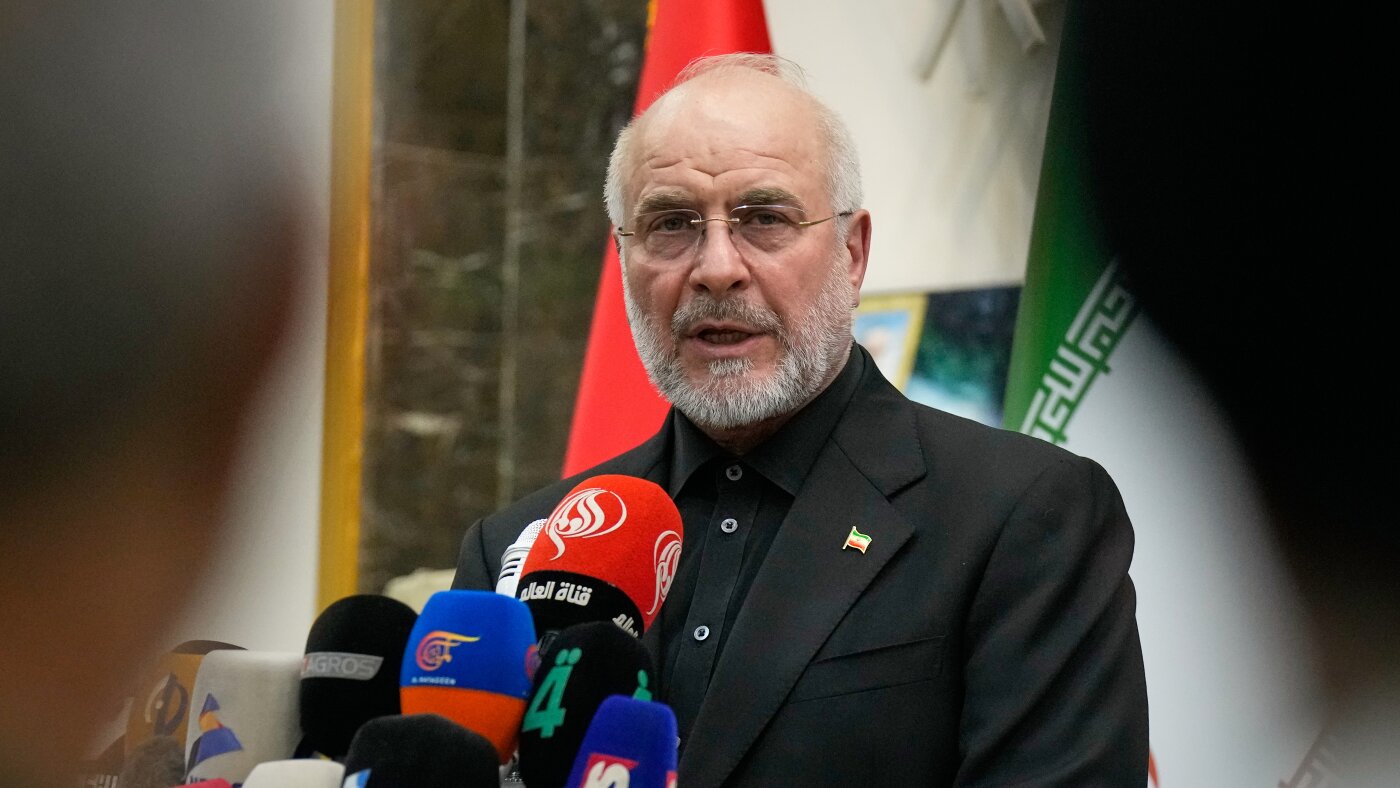
Iranian officials have portrayed the U.S. move as evidence that Washington cannot achieve its aims militarily. Iranian Parliament Speaker Mohammad Baqer Ghalibaf said the turn toward economic warfare showed that the United States and Israel could not defeat Iran in a conventional military conflict.
Foreign Minister Abbas Araghchi condemned the planned campaign as “economic terrorism” and said further failed policies would deepen hostility toward the United States. China’s Foreign Ministry called for negotiations rather than sanctions, saying pressure tactics were not the solution.
What Happens Next
The immediate question is how broadly the Treasury Department will apply the promised measures and whether it will impose costs on governments, banks and companies outside Iran. The administration’s Aug. 24 briefing was expected to clarify how it intends to enforce its threat against those that continue to provide Tehran with access to trade, oil revenue or financial channels.
The world's most important stories. Explained clearly. Delivered daily.
- Every morning
- Five-minute read
- Unsubscribe anytime