
Iran says it received U.S. response to Strait of Hormuz ceasefire proposal
Tehran has not disclosed the U.S. reply, while officials say differences remain over the timetable for carrying out a possible deal.
The Big Picture
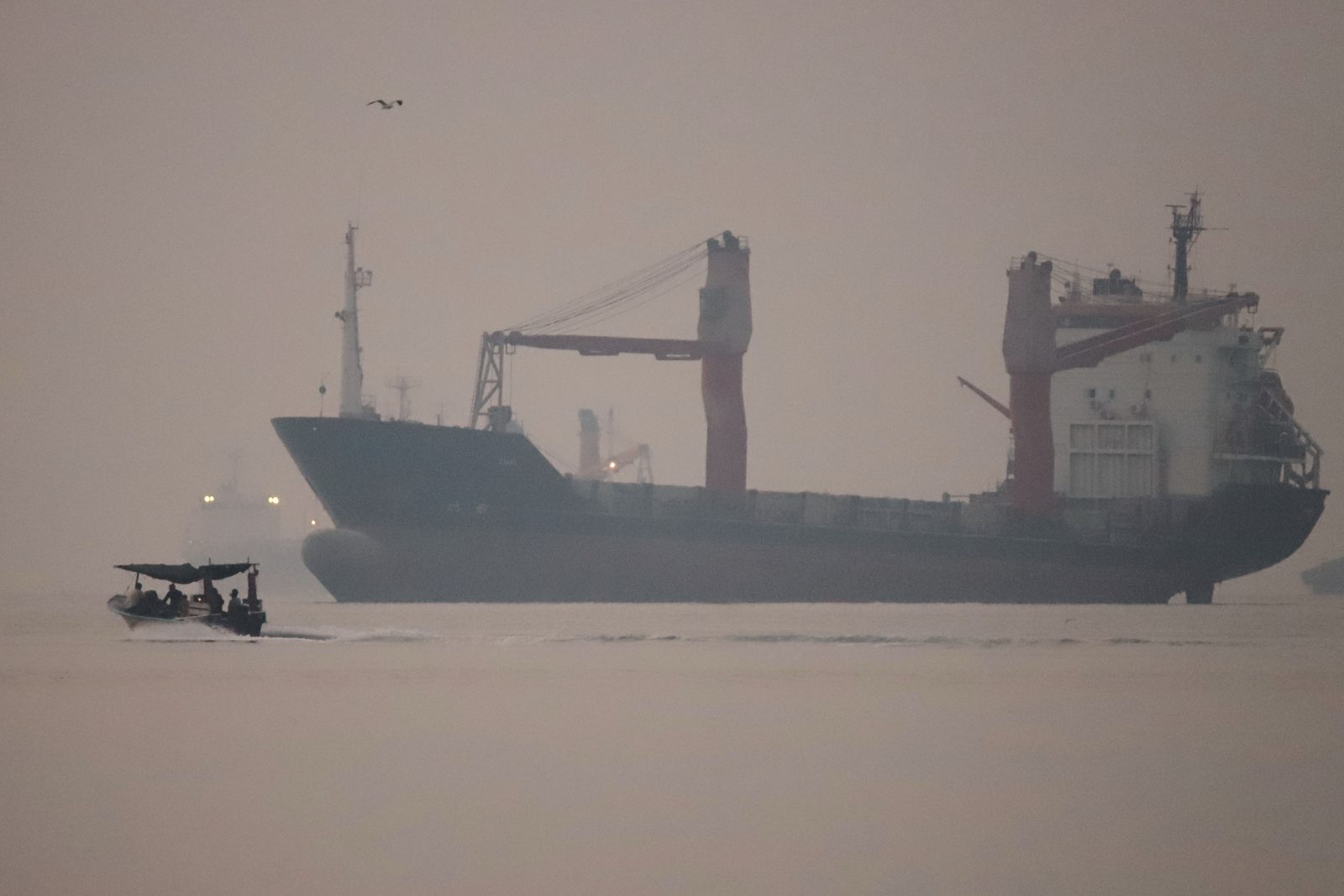
Iran said Oct. 1 that it had received an official U.S. response to Tehran's latest proposal for a ceasefire, a development that could affect the Strait of Hormuz, a vital shipping route at the center of concerns about global oil and fuel supplies.
The contents of the U.S. response have not been disclosed. Iranian officials have said their proposal would establish a seven-day ceasefire and reopen the strait in return for lifting a naval blockade and sanctions, according to the Deccan Chronicle. President Donald Trump had publicly rejected Iran's offer days before Tehran announced that it had received a response.
The exchange points to continuing indirect diplomacy through mediators, even as both sides signal major differences and Washington increases economic and military pressure.
What Happened
Iranian Foreign Minister Abbas Araghchi presented the U.S. response to President Masoud Pezeshkian during a cabinet meeting, government spokesperson Fatemeh Mohajerani told Iran's state news agency IRNA.
Neither Mohajerani nor other Iranian officials publicly detailed the U.S. position. Iranian officials said the two sides still differed over the schedule for implementing an agreement, according to The Independent.
The proposal's reported focus on the Strait of Hormuz gives the talks significance beyond the immediate conflict. The Deccan Chronicle reported that Iran's plan linked a seven-day ceasefire and the reopening of the waterway to the lifting of the naval blockade and sanctions.
What Each Side Is Saying
Trump has offered sharply different possible outcomes, saying Iran must accept an agreement or face destructive consequences. Speaking to reporters, he said: "They'll either sign a very fair deal, or they won't exist any longer."
He also said the conflict would end soon through either a diplomatic agreement or military action. "We blow them up or make a deal," Trump said. "But the time is coming. It's going to end very soon, one way or another."
Iran's acknowledgment that it received a response does not establish that the sides are close to an accord. The absence of details from Washington and Tehran, along with the reported disagreement over timing, leaves the central terms and prospects for implementation unclear.
Why It Matters
The Strait of Hormuz is central to the proposal described by Iranian officials and to wider worries about energy supplies. Any reopening arrangement would be consequential for commercial shipping and fuel markets, while a failure of talks could deepen uncertainty around the route.
At the same time, the United States has added economic pressure. The Treasury Department imposed new sanctions on Iran's rail and automotive sectors, including Iran Khodro, SAIPA, the Islamic Republic of Iran Railway Company and Raja Passenger Trains Company.
The Treasury said the action targeted industries it said had been coopted by Iran's government and the Islamic Revolutionary Guard Corps. Treasury Secretary Scott Bessent said the measures were intended to target the Iranian government's enablers and reduce its revenue.
Background
The Independent reported that about 9,000 U.S. personnel were being deployed to the Middle East aboard ships, including more than 7,000 sailors and 2,000 Marines. The deployment includes the USS Theodore Roosevelt carrier strike group and the USS Makin Island amphibious readiness group, the publication reported.
Citing an unnamed U.S. official who spoke to The Associated Press, The Independent also reported that three U.S. aircraft carriers could be in the region by the end of October.
Russian President Vladimir Putin said he hoped the Strait of Hormuz would reopen to shipping and that sanctions on Iran would eventually be lifted, according to The Independent.
What Happens Next
The next meaningful indication of progress will likely be whether either government releases the terms of the U.S. response or announces a timetable acceptable to both sides. For now, Tehran's confirmation of receipt establishes that a channel remains open, but not that it has produced an agreement.
Further sanctions, military deployments and Trump's public threats could complicate the indirect negotiations. The practical question is whether the parties can bridge their reported dispute over implementation while resolving the proposed conditions surrounding the Strait of Hormuz.
The world's most important stories. Explained clearly. Delivered daily.
- Every morning
- Five-minute read
- Unsubscribe anytime