
Trump Threatens Economic Penalties Over Support for Iran
The U.S. president offered few details but said countries and entities providing Iran a “lifeline” would face “tremendous economic consequences.”
The Big Picture
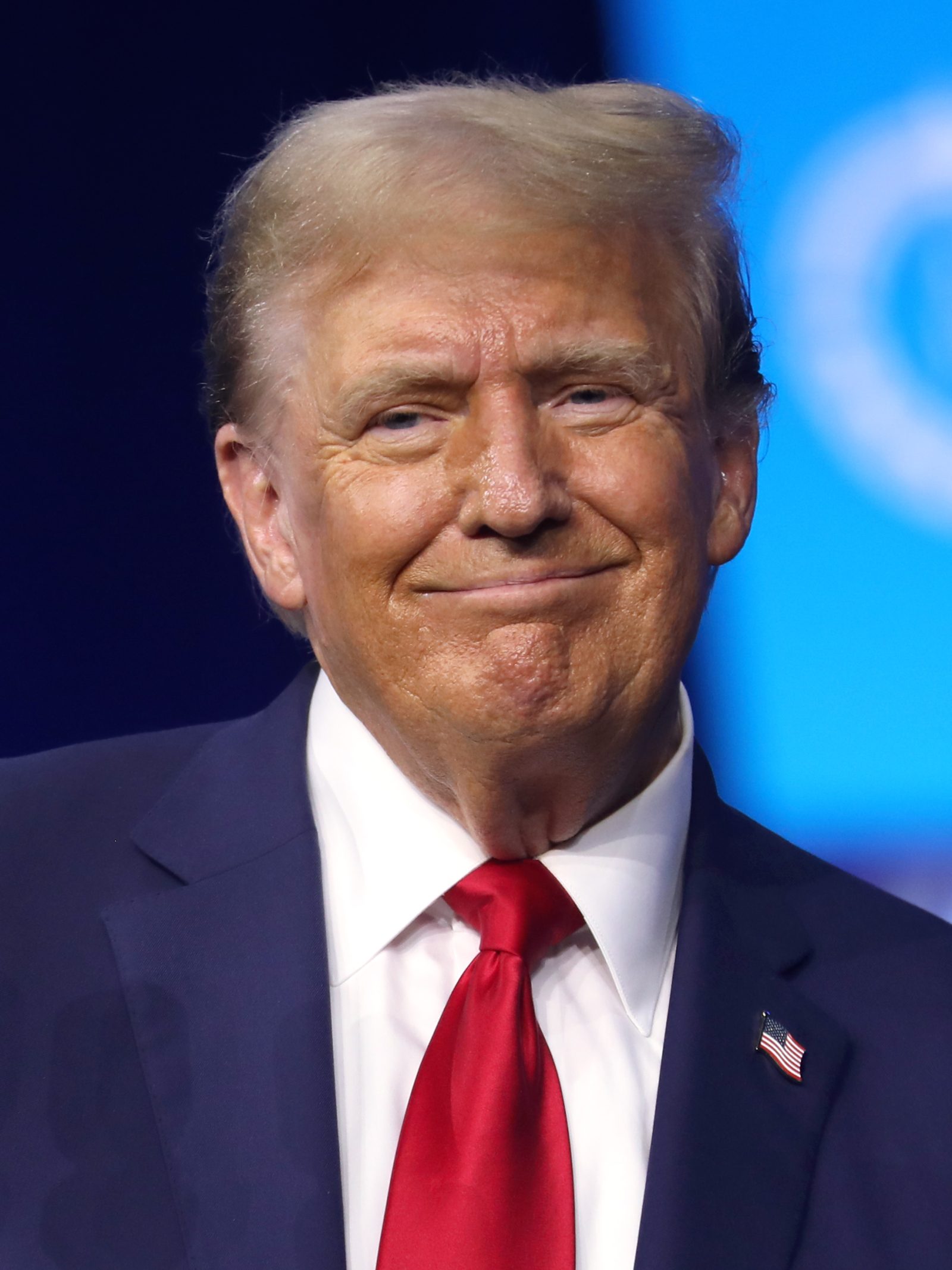
President Donald Trump said the United States would launch what he called the “most crushing economic operation ever taken against any country” against Iran, escalating a pressure campaign that has already targeted Tehran’s oil, shipping and financial sectors.
In a Truth Social post on Wednesday, Trump threatened “tremendous Economic Consequences” for any country whose financial institutions, businesses, airports or government entities provide Iran with “any type of lifeline.” He did not spell out the penalties or name countries that could face them beyond Iran.
The announcement comes amid a deadlock in efforts to reach a deal between Washington and Tehran, and shortly after the United Arab Emirates said it would suspend or sever financial and economic ties with Iran.
What Happened
Trump said Iran had “failed to take” an opportunity to make a deal with the United States and described the new phase of pressure as “economic D-Day.” He called for an immediate end to oil smuggling, swap lines, cash transfers, exchange houses, ship registries and front companies connected to Iran.
“ANY country that allows its financial institutions, businesses, airports, or government entities to provide any type of lifeline to Iran will itself face TREMENDOUS Economic Consequences,” Trump wrote.
The administration has pursued its Iran pressure campaign under the name Operation Economic Fury since April. The United States has imposed sanctions on Iran’s oil, shipping and financial sectors, as well as foreign companies and financial institutions accused of facilitating Iranian oil sales. The campaign has also included a naval blockade intended to restrict Iranian exports and ports, according to Al Jazeera and the BBC.
Trump’s latest post did not clarify whether the administration will impose new sanctions, strengthen enforcement of existing measures or pursue secondary penalties against countries that continue commercial ties with Iran.
Why It Matters
The language points toward wider pressure on Iran’s trading partners rather than Iran alone. China is Iran’s most significant oil-trading partner, and Chinese businesses are major buyers of Iranian oil. The United States has already sanctioned several privately owned Chinese “teapot” refineries that purchase Iranian crude, the BBC reported.
Analysts cited by Al Jazeera warned that action against Chinese banks or companies that service Iranian oil buyers could be among Washington’s most consequential options. But such steps could also create a direct confrontation between the United States and China.
The UAE’s decision could add pressure on Tehran because Iranian entities have long used Dubai-based exchange houses and companies for financial activity, according to the BBC. The UAE said its move followed the detection of two Iranian ballistic missiles. Accounts differed on whether the missiles were aimed at UAE waters or maritime traffic, and Iran denied responsibility, calling the allegation false or baseless.
What Each Side Is Saying
Iranian Foreign Minister Abbas Araghchi called Trump’s threat a diversion from U.S. economic problems. “Doubling down on failed policies will only bring further defeat, and enmity of Iranians,” Araghchi wrote on X, while also accusing Washington of economic terrorism.
Iranian state-linked media portrayed the announcement as an extension of policies already in use. The semi-official Tasnim news agency said Tehran had developed ways to circumvent longstanding restrictions, according to Al Jazeera.
China said sanctions and economic pressure would not resolve the dispute. A Chinese embassy spokesperson in Washington told the BBC that China called on relevant parties to pursue a political and diplomatic resolution. Chinese Foreign Ministry spokesperson Lin Jian made a similar appeal, CNBC reported.
What Happens Next
The immediate question is whether the Trump administration follows its broad warning with specific designations, financial restrictions or enforcement actions against companies that facilitate Iranian oil exports and trade. Any effort aimed at Chinese financial institutions or major oil purchasers would carry potentially wider consequences for U.S.-China relations.
For now, Trump’s announcement has set out the scope of the administration’s intended pressure without defining the tools it plans to use. Tehran has signaled that it does not expect the approach to alter its position, leaving diplomacy and enforcement as the central tests of whether the threat changes the trajectory of the conflict.
The world's most important stories. Explained clearly. Delivered daily.
- Every morning
- Five-minute read
- Unsubscribe anytime