
FDA adds rare vision-loss warning to Ozempic, Wegovy and other GLP-1 drugs
The agency says GLP-1 drugs may raise the risk of a rare optic-nerve condition that can cause sudden, permanent vision loss.
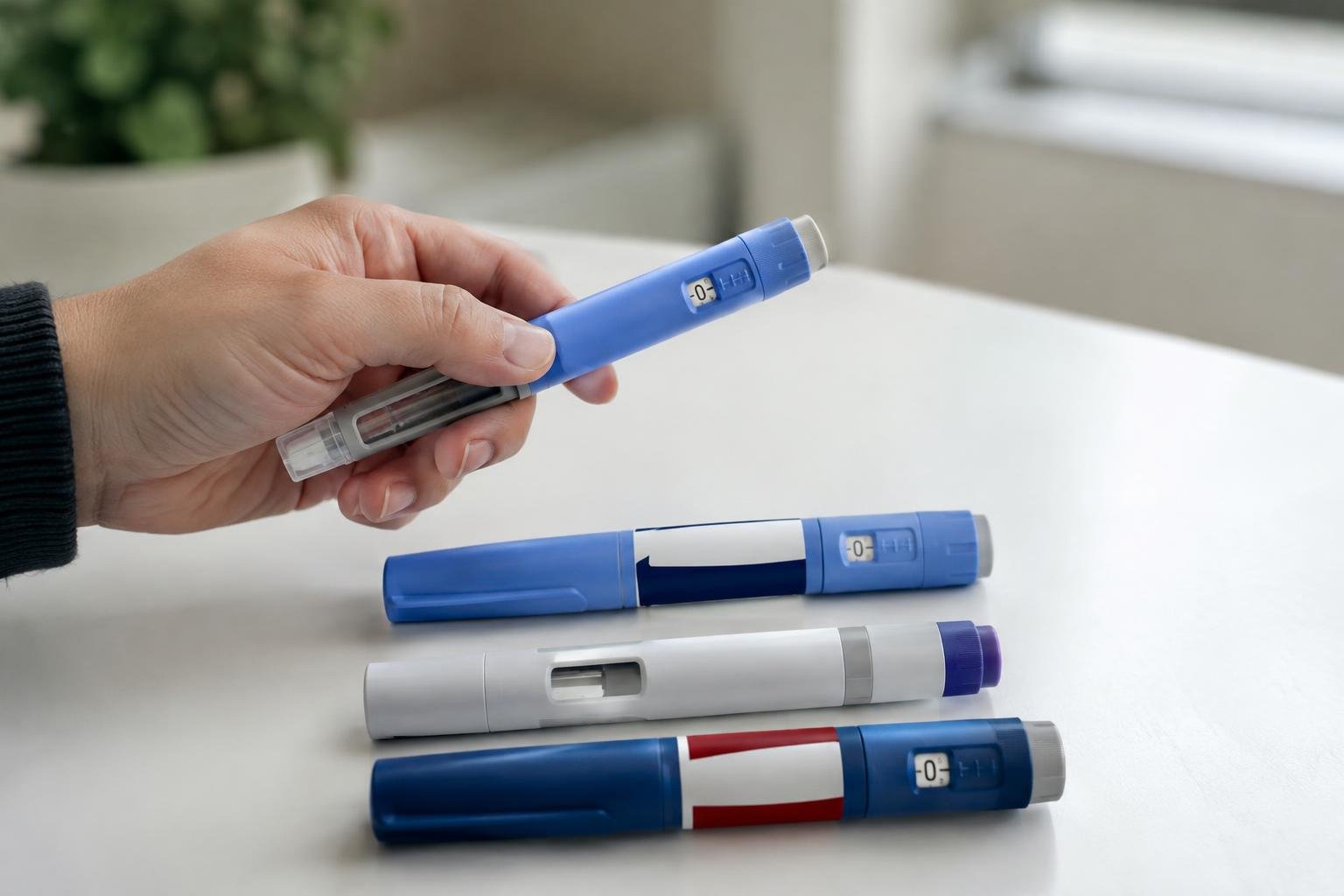
A rare condition that can take vision suddenly and permanently is now headed onto the labels of some of the country’s most popular weight-loss and diabetes drugs.
The Food and Drug Administration said Monday that makers of GLP-1 drugs must warn patients and doctors about a potential increased risk of nonarteritic anterior ischemic optic neuropathy, or NAION. The warning applies across the drug class, including Novo Nordisk’s Ozempic and Wegovy and Eli Lilly’s Mounjaro and Zepbound, along with older GLP-1 medicines.
What it is: NAION happens when blood flow to the optic nerve is reduced or blocked. It can cause sudden, painless vision loss in one eye and, in severe cases, blindness. It is sometimes called an eye stroke, which is a concise name for something with no proven treatment and vision loss that is generally permanent.
How rare: NAION affects roughly 2 to 10 out of every 100,000 adults over 50, according to the American Academy of Ophthalmology. In an FDA analysis of more than 125 clinical trials, about 6 in 100,000 patients who took a GLP-1 drug for at least a year developed the condition, compared with fewer than 4 in 100,000 patients taking a placebo or other glucose-lowering drugs.
The FDA began examining the possible connection after a 2024 JAMA Ophthalmology study found that diabetes patients prescribed semaglutide were four times as likely to develop NAION as patients not prescribed it. The agency reviewed adverse-event reports and clinical-trial data and found cases reported among users of every currently marketed GLP-1 drug.
The catch: The FDA says there is a potential increased risk, not that the drugs have been proven to cause NAION. Its scientists could not identify a mechanism explaining how GLP-1 drugs might raise the risk. The question is complicated by the fact that NAION risk factors include Type 2 diabetes, obesity, sleep apnea and hypertension, conditions common among many people prescribed these medicines.
Novo Nordisk said the available data do not establish a cause-and-effect relationship between its GLP-1 medicines and NAION. Eli Lilly said the FDA communication covers all drugs with GLP-1 receptor-agonist activity and does not cite findings specific to Lilly products.
What patients should know: An ophthalmologist who spoke with NBC News said patients should not panic or stop medication on their own, but should seek care for vision changes. The FDA lists blurred vision, blind spots, distorted colors and other visual disturbances as symptoms needing prompt medical attention.
For anyone taking a GLP-1 drug, the important thing to watch is any sudden change in vision, however rare the condition behind it may be.
The world's most important stories. Explained clearly. Delivered daily.
- Every morning
- Five-minute read
- Unsubscribe anytime