
Ebola is spreading faster than aid can respond in DR Congo
More than 2,500 people have died in the country’s deadliest Ebola outbreak as conflict, mistrust and strained health services hinder containment.
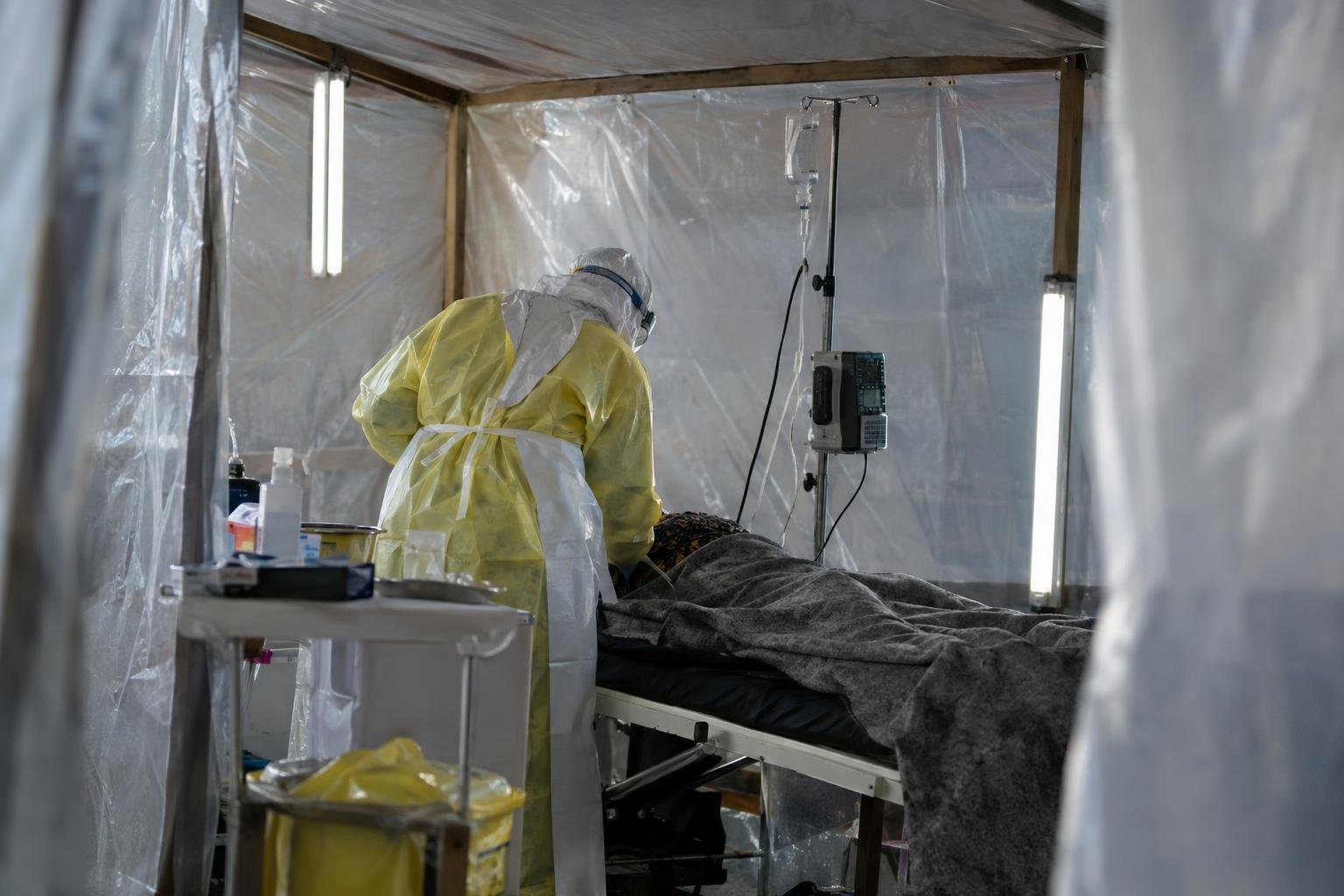
The Big Picture
The Democratic Republic of the Congo’s Ebola outbreak is spreading faster than health responders can contain it, UN officials warned Friday, as the country’s reported death toll rose to 2,516.
Health-authority data cited by the UN put the number of infections at 5,290 as of Aug. 21. The outbreak, caused by the rare Bundibugyo strain of the virus, is now the deadliest Ebola epidemic in the DRC’s history, surpassing the 2,299 deaths recorded during the country’s 2018-2020 outbreak.
Julien Harneis, the UN’s senior Ebola coordinator, said the epidemic was “growing exponentially” and spreading “faster and wider than the Ebola response.” About half of all recorded deaths occurred in the 20 days before Aug. 21, he said.
What Happened
Congolese authorities declared the outbreak on May 15 in Ituri province, but sequencing indicates that transmission may have begun as early as February. Ituri remains the epicentre, though cases have since been reported in North Kivu, South Kivu, Haut-Uélé, Tshopo and Bas-Uélé.
The latest data showed 1,152 people had recovered, while nearly 840 remained in isolation or hospital. The reported fatality rate was 47.6%, and contact follow-up stood at 82.9%.
Those measures have not been enough to identify all transmission chains. UN and World Health Organization officials have said many new cases are being detected outside the group of known contacts under monitoring, leaving surveillance teams trying to catch up with the virus.
Why It Matters
The outbreak has unfolded amid armed conflict, displacement, poor roads and weak health infrastructure in eastern DRC. Health facilities, ambulances and response teams have also been attacked, in some cases amid community fears and mistrust over Ebola restrictions and burial practices.
More than 160 healthcare workers contracted Ebola in the first three months of the outbreak and 43 died, Harneis said. He also said that existing funding for the response was expected to run out within weeks.
The UN’s humanitarian office has allocated $54.5 million for the DRC response and preparedness in neighboring countries, including $30.5 million announced this month. But Harneis said reductions in aid work had diminished humanitarian organizations’ capacity by more than 30%.
The emergency poses a regional concern as well. Uganda recorded 20 cases and two deaths before it was declared Ebola-free on July 28, according to The Guardian. UN agencies are working with countries around the DRC to strengthen surveillance and preparedness.
Background
Bundibugyo is one of several Ebola viruses that can cause disease in humans. Unlike the Zaire ebolavirus, it has no approved vaccine or treatment. The 2014-2016 West Africa outbreak remains the deadliest Ebola epidemic recorded overall, causing more than 11,000 deaths.
WHO and the International Coordinating Group have allocated 70,000 doses of the Ervebo vaccine to the DRC. Ervebo was developed for the Zaire strain, and its effectiveness against Bundibugyo is unknown, though WHO said laboratory and animal evidence suggests it may offer some protection. Of the allocated doses, 20,000 are to be used in a clinical trial and 50,000 are intended for frontline health workers.
What Happens Next
WHO plans to deploy 100 additional epidemiologists, backed by more than 500 community health workers, to improve surveillance and contact tracing. The agency said it had added 400 treatment beds in affected areas during the two weeks before Aug. 18.
Responders are also turning to local networks to build trust. WHO is recruiting motorbike riders who transport sick people and bodies as surveillance and response officers, while 27 demobilized former rebel fighters have joined public-information efforts in an Ituri locality.
In North Kivu, M23 said it would suspend shared taxi and passenger-boat travel between government-held and rebel-held areas for one month beginning Aug. 22, following reports that two travelers tested positive in an M23-controlled village. The restrictions underscore how conflict and divided authority are complicating efforts to stop the outbreak.
The world's most important stories. Explained clearly. Delivered daily.
- Every morning
- Five-minute read
- Unsubscribe anytime